
THE STORY SO FAR
written ostentatiously!

THE STORY SO FAR
In the borough of Porirua, where the wind carries gossip as readily as salt, there lived a woman named Claire Medcalf, whose fate—though she did not yet know it—had long been conspiring with paper, ink, and improbable abundance.
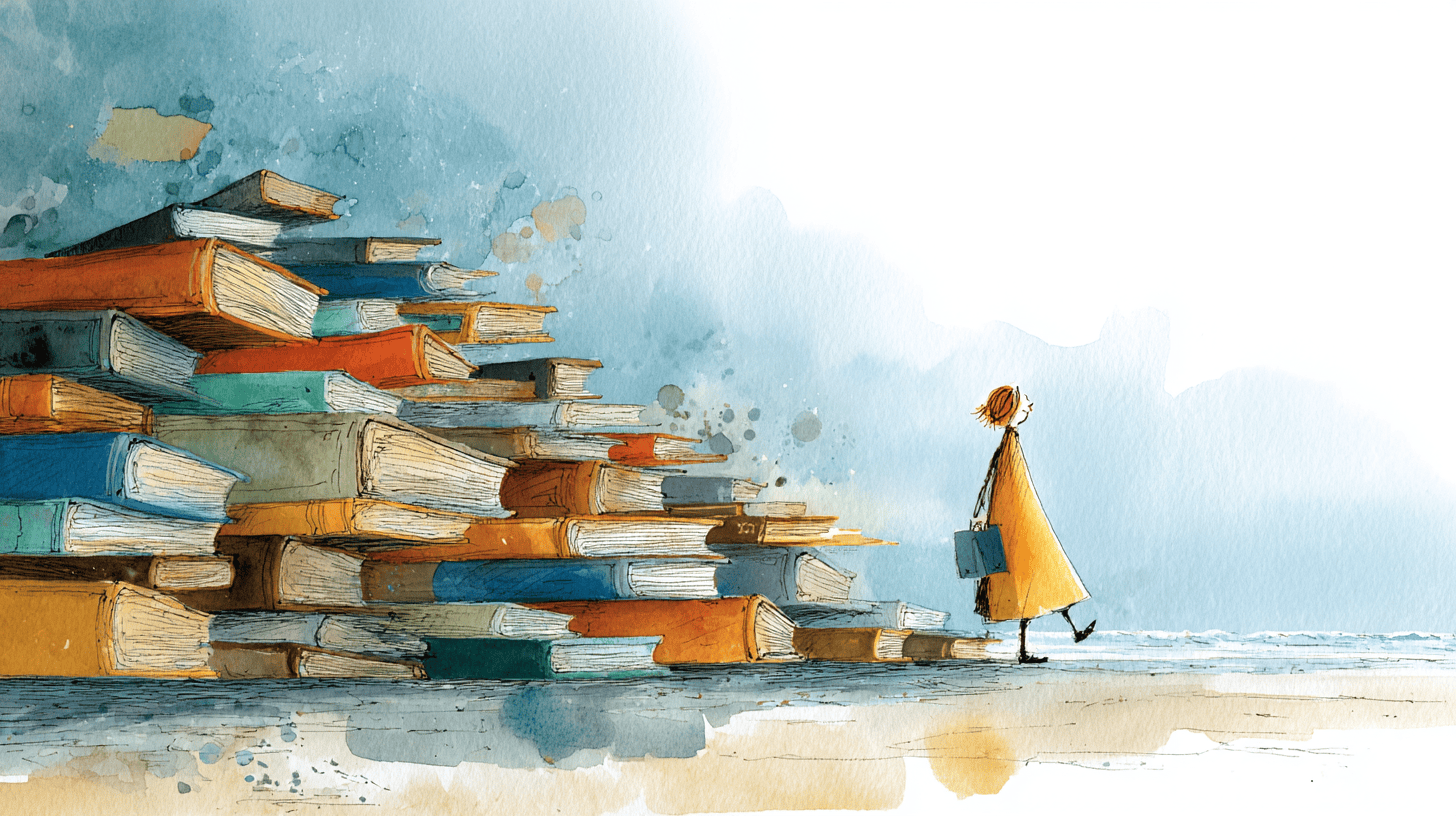
Claire dwelt in Kenepuru, a modest place, only a few doors from where destiny would later plant its flag and demand rent. She was, by all accounts, an ordinary soul until the day Providence arrived not as a whisper, but as a weight: one thousand books. They came to her by way of Manny’s in Waitangirua, like an ark unasked for, groaning with spines and stories, threatening to collapse floors and common sense alike. Lesser mortals might have recoiled. Claire did not. She merely looked upon the pile and, with the calm of one who has been quietly chosen, accepted her assignment.
At first, she did what sensible people do when overwhelmed by literature: she sold a few. Then a few more. The selling occurred in the great modern marketplace known as Facebook, a place loud, unruly, and watched over by algorithms instead of angels. Yet there, amid the noise, Claire discovered a joy she had not been warned about. She loved it. She loved the finding, the parting, the strange intimacy of matching a book to its next reader, like a respectable literary matchmaker.
And so the books multiplied. Shelves groaned. Corners surrendered. Tables disappeared beneath paper mountains. Books appeared in places books had no business being—under chairs, behind doors, possibly reproducing when no one was looking. What had begun as a thousand became a small empire, and empires, as history insists, demand premises.
Thus it came to pass that Claire moved her ever-growing dominion into a shop in Porirua, astonishingly next door to her own house, as though the universe were economising on footsteps. The shop was named Books Worth Keeping, a title both declarative and faintly defiant, and inside it gathered volumes of every temperament: solemn, mischievous, forgotten, indispensable. Locals came. Then strangers. Then people who claimed they were “just looking” and left an hour later poorer in coin and richer in destiny.
The rest, as chroniclers say when events become too inevitable to dramatise, is history. Or perhaps legend. For in Porirua still, it is whispered that if you listen closely among the shelves, you can hear the faint rustle of that first thousand books, congratulating themselves on having chosen so well.